Loading...
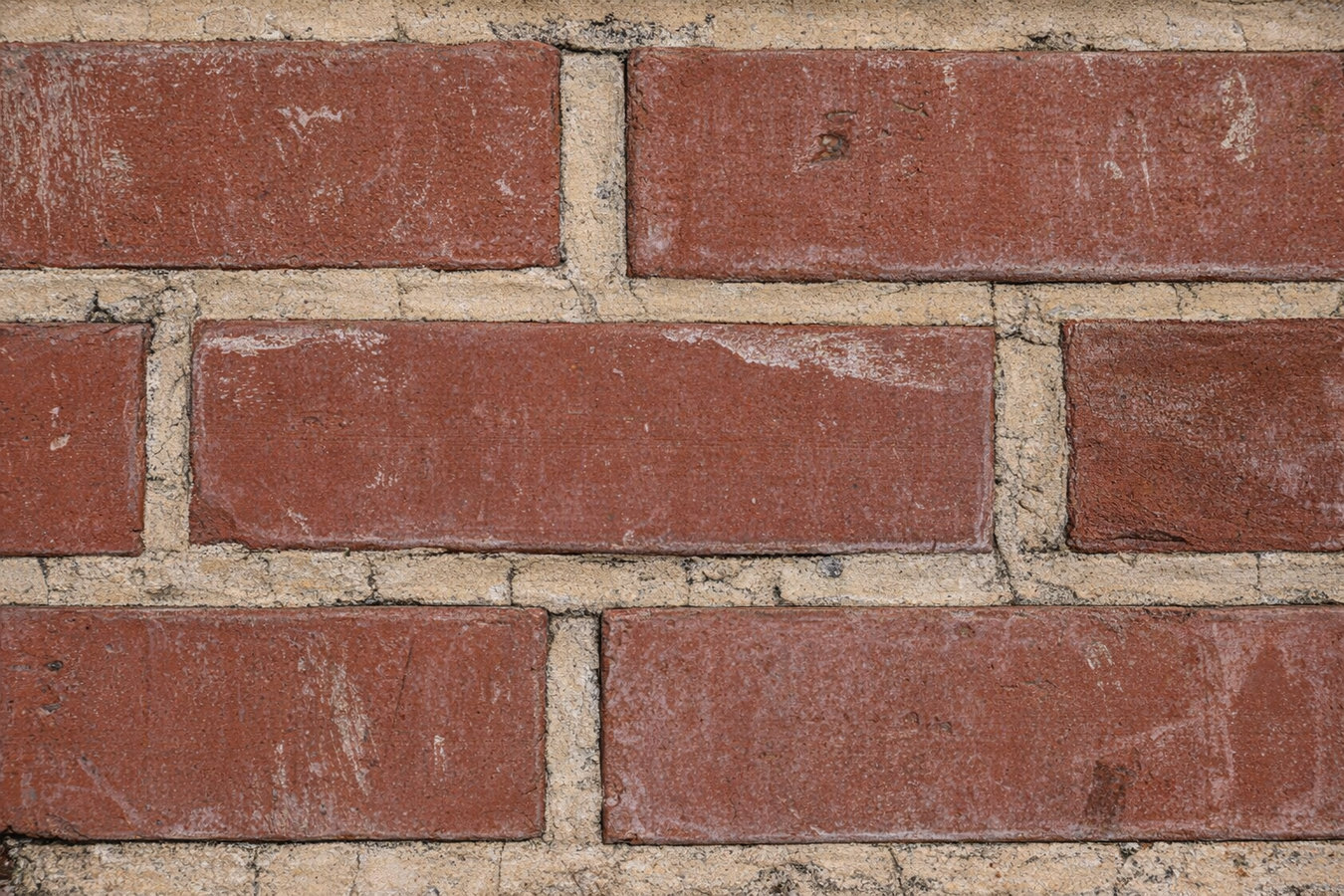
Soft, crumbling mortar joints let water in every winter. We grind out the old material, pack in fresh mortar matched to your home, and seal the joints that have been letting Ogden winters chew through your walls.
Tuckpointing in Ogden, UT removes deteriorated mortar from the joints between bricks or stones and replaces it with fresh material matched to your existing masonry - most jobs on a chimney or wall section finish in a single day, with full mortar cure taking three to four weeks.
Ogden sits at roughly 4,300 feet and sees dozens of freeze-thaw cycles each winter. Water that works into a small gap in a mortar joint freezes, expands, and slowly widens that gap until the joint is open. Once the joint is open, water gets behind the brick face and the damage accelerates. The difference between tuckpointing and a simple patch is that proper tuckpointing physically grinds out the old material to a consistent depth before anything new goes in - paint-over repairs peel off within a few seasons and leave the same problem. If the brick face itself is already cracking or flaking, our brick repair service addresses those individual bricks at the same time.
A large share of Ogden homes - particularly in neighborhoods like Jefferson, Monroe, and the Historic 25th Street corridor - were built in the early 1900s with lime-based mortar. Using the wrong replacement mix on those homes can transfer stress to the bricks and cause cracking. Matching the mortar to your home's age is one of the most important things a skilled mason does here.
Run your finger along the mortar lines on your chimney, exterior wall, or garden wall. If the mortar crumbles when you press it or has visible gaps wider than a credit card, water is already getting in. This is the clearest sign tuckpointing is overdue - and waiting through another winter will widen those gaps further.
White powdery streaks appearing on your brick in spring - especially after Ogden's snowmelt season - are called efflorescence. They form when water moving through the mortar carries dissolved minerals to the surface. Cleaning the stain without fixing the joints means it comes back every year. The joints are letting water in, and tuckpointing stops that at the source.
Chimneys take more weather exposure than any other part of a brick home and often show mortar failure first. If the joints near the top of your chimney look sunken, darker, or uneven compared to the rest of the brickwork, that section is letting water in. Left alone it travels down into the structure below.
Many Ogden homes in neighborhoods like Jefferson and Monroe have original mortar that is now 80 to 100 years old. Mortar from that era was not designed to last indefinitely, and if it has never been replaced it almost certainly needs attention. Age alone is a reasonable reason to have a mason take a look - you do not need to wait for obvious damage.
The core tuckpointing process is the same on every job: grind or chisel out the old mortar to a consistent depth of about three-quarters of an inch, pack in fresh mortar by hand, and tool the joints to match the original profile. What changes job to job is the mortar mix. For newer homes, a standard cement-based mortar is the right choice. For older Ogden homes with lime-based original mortar, we use a softer lime-compatible mix that keeps pace with the wall's movement instead of fighting it. Using the wrong mix on an older home causes the bricks themselves to crack - so we always assess the existing mortar type before choosing a replacement.
Closely related to tuckpointing is brick pointing, which applies the same mortar renewal process to decorative or detail-focused brick surfaces - arches, sills, cornices, and other areas where joint appearance and profile matching are especially important. If your home needs both structural and decorative joint work, we handle them together in a single visit to minimize disruption.
Best for homes built after 1960 using modern brick and standard mortar - straightforward joint renewal on chimneys, walls, and retaining surfaces.
Required for Ogden homes built before about 1940 - softer mix that flexes with older brick rather than transferring stress to the face.
Focused joint renewal on chimney crowns, caps, and stack faces - the part of your home most exposed to Ogden's weather.
For homes where the mortar across the entire exterior is aging together - comprehensive joint inspection and re-mortaring in a single scheduled visit.
Ogden sits at about 4,300 feet elevation and regularly sees temperatures swing above and below freezing dozens of times each winter. That freeze-thaw cycle is one of the most punishing conditions mortar faces - each freeze pushes the joint a little further apart until the seal breaks. The Wasatch Mountains directly east of the city also produce significant snowpack that melts through March and April, sending concentrated moisture toward any gap in an exterior wall. Homeowners in Ogden often notice new staining or crumbling joints in spring, right after the worst of the cycle ends. The Brick Industry Association notes that mortar deterioration accelerates sharply in climates with repeated freeze-thaw cycles - which describes Ogden's winters accurately.
Ogden also has a large share of older brick construction, particularly in neighborhoods built during the city's railroad-era growth in the late 1800s and early 1900s. Homes in Washington Terrace and North Ogden carry the same brick construction heritage and face the same mortar aging that central Ogden neighborhoods do. Inspecting the mortar joints every few years is genuinely worthwhile here - not a contractor upsell, but a reasonable response to a climate that is hard on masonry.
Call or submit a contact form and a real person gets back to you within one business day. We will ask where the problem is, roughly how large the area looks, and how old your home is - no need to have all the answers, just describe what you see.
We walk the affected area with you, look closely at the mortar joints and brick condition, and give you an honest read on what needs attention now and what can wait. This visit typically takes 20 to 45 minutes and there is no cost.
You receive a written estimate covering what work will be done, how many linear feet of joints are involved, what mortar type we plan to use and why, and the total cost. For older Ogden homes, the mortar selection note matters - it protects your bricks.
We set up drop cloths, grind out old mortar, pack in fresh material by hand, and tool the joints to match the original profile. Before leaving we clean mortar smears off the brick face and walk the finished area with you so you can see exactly what was done.
Free on-site estimate. Written quote with mortar type specified. No pressure to sign on the spot.
(385) 453-0468We assess your existing mortar type before choosing a replacement mix. On older Ogden homes, that step protects the bricks from cracking - something generic patch jobs skip. It is the single biggest quality difference between lasting tuckpointing and a repair that fails in five years.
We have worked on brick homes throughout central Ogden, including properties in the historic neighborhoods built in the early 1900s that require lime-compatible mortar. Local experience means we recognize what the freeze-thaw cycle does to different masonry types here - not just what the manual says.
Every job comes with a written estimate that spells out what joints are being repaired, why, what mortar we will use, and the total cost. You know what you are paying for before anyone picks up a grinder. That clarity is standard on every job, not something you have to ask for.
Routine tuckpointing typically does not require a permit in Ogden, but structural masonry work does. We know the line and handle the paperwork with Ogden City Building Services when a permit is needed. You do not have to make a single call to a government office. See{' '}Ogden City Building Services for permit requirements.
Good tuckpointing is not just about filling gaps - it is about choosing the right material, removing enough of the old joint to make the repair hold, and matching the finish so the work disappears into the wall. Those details are what separate a repair that lasts 25 years from one that starts crumbling after the next winter.
Got cracked, spalling, or loose bricks alongside failing mortar? We replace damaged bricks and restore the full wall surface.
Learn MoreNeed precision joint work on a historic or decorative brick surface? Our brick pointing service handles detail-focused mortar finishing.
Learn MoreMortar damage does not fix itself - every freeze-thaw cycle widens the gaps. Call now or request a free estimate and we will get eyes on it before the cold arrives.