Loading...
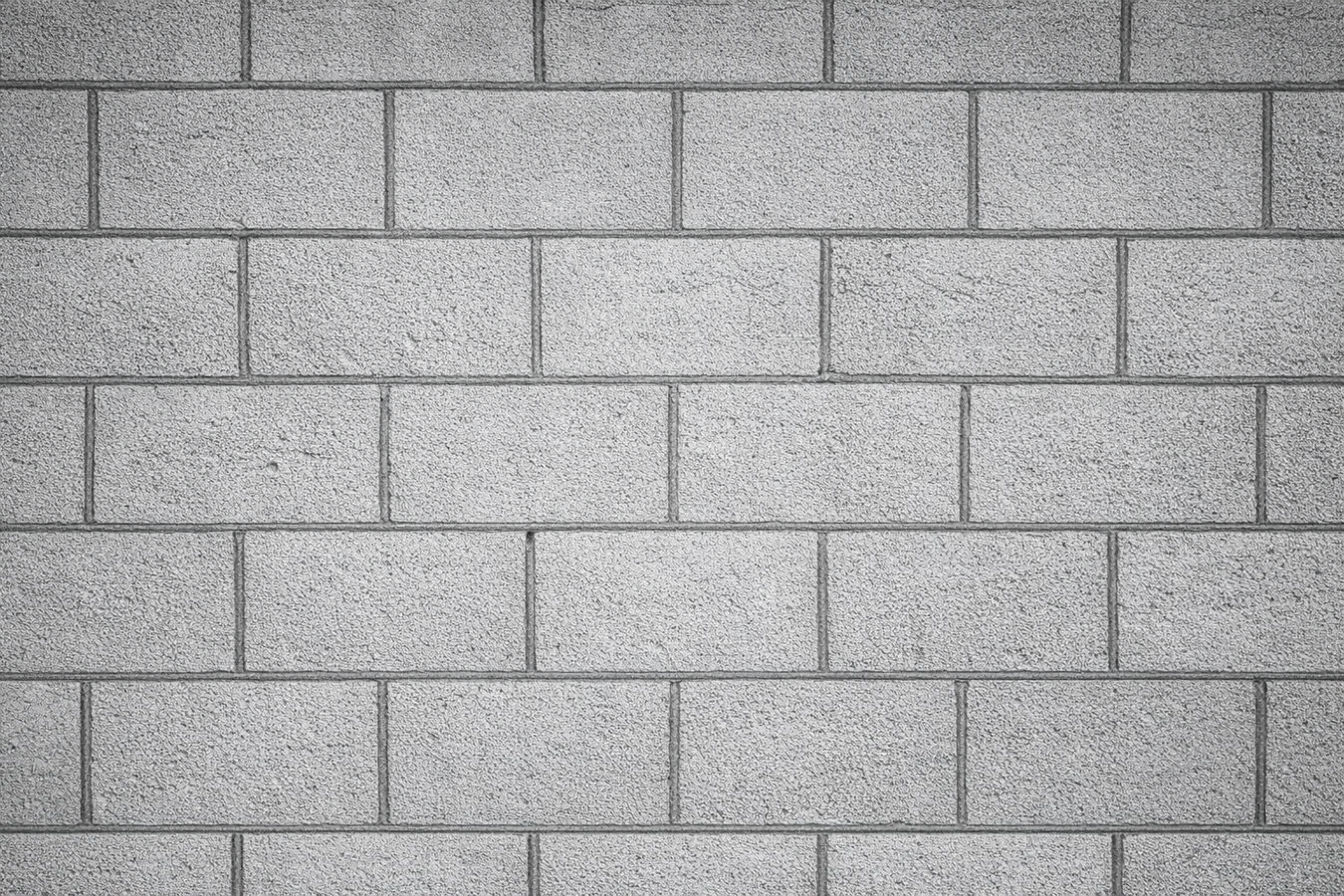
A block wall that leans, cracks, or collapses after a wet Ogden spring is not just frustrating - it is a wasted investment. We build walls with the right footing depth, drainage, and mortar from day one.
Concrete block walls in Ogden start with a poured footing set below the frost line - at least 30 inches down - then blocks are laid in mortar one course at a time, most straightforward residential walls taking one to three days from footing pour to finished block work.
A concrete block wall in Ogden serves a wide range of purposes - retaining a sloped yard, creating a garden border, building a fence line, or forming the structural base for an outdoor living space. The footing is the part of the job you will never see, but it is the most important step. Weber County soils - many of which sit on ancient Lake Bonneville lake bed - can be expansive, meaning they swell when wet and shrink when dry. A footing designed for those conditions keeps your wall standing through decades of season changes. For projects where the wall needs to support a structure on top of it, we also offer foundation block wall installation.
Many Ogden homeowners in older neighborhoods are also dealing with walls built decades ago that have started to lean or crack. Sometimes repair is the right call. Sometimes a full rebuild is the smarter long-term investment. We will tell you honestly which one applies to your situation.
Stand back and look at your wall from the end. If it curves or tilts away from the soil it is holding, the pressure behind it has overcome the wall's resistance. A leaning retaining wall rarely corrects itself. This is especially common in Ogden's older neighborhoods where walls were built without proper drainage or deep enough footings.
Hairline cracks in mortar are normal over time, but cracks wider than a quarter inch - especially ones running diagonally or that you can see through - mean the wall has moved. In Ogden, this often happens after a hard winter where the freeze-thaw cycle has worked on an already-weakened structure. Water will get in and make it worse every season.
After heavy rain or spring snowmelt, if you see soil appearing on the downhill side of your wall or the ground behind it is sinking, the drainage has failed. Water is finding its way through or under the wall and carrying soil with it. Left alone, this leads to collapse - and in Ogden's wet springs, it can happen faster than most homeowners expect.
If you have a hillside or terraced yard and you are watching the soil creep downhill a little more every spring, a concrete block retaining wall is one of the most durable long-term solutions. Many Ogden homes on the east bench deal with exactly this - the grade is steep enough that landscaping alone will not hold the soil in place.
We build new concrete block walls for retaining, garden borders, fence lines, and structural bases. Every project starts with a poured concrete footing set below Ogden's frost line so the wall does not heave and crack when the ground freezes and thaws. For retaining walls, we include gravel backfill and drainage pipe behind the wall so water pressure does not build up and push the wall over after a wet spring. If you are building a tiered yard or want to add a patio to a sloped lot, we can plan the wall heights and drainage together so the finished space actually works.
We also handle repairs and rebuilds on existing walls. Older Ogden neighborhoods are full of block walls built in the 1940s through 1960s, and many of them are reaching the end of their useful life. Beyond block walls, we offer retaining wall construction using natural stone and other materials for homeowners who want a different look or need a wall that blends with existing landscaping.
Best for homeowners with a sloped yard who need to stop erosion, create level terraces, or protect a foundation from soil pressure.
A good fit for homeowners who want to define a garden bed, border a patio, or add structure to a flat yard without the drainage requirements of a retaining wall.
Suited to projects where the block wall needs to support a slab, outdoor kitchen, or other feature on top - built with rebar and grouted cores for added strength.
Right for homeowners with an existing wall that has surface cracks, failing mortar joints, or minor lean - when repair is more practical than a full rebuild.
The correct choice when an existing wall is leaning, has structural cracks, or lacks the drainage needed to survive another Ogden winter safely.
Ogden sits at roughly 4,300 feet and sees temperatures swing from well below freezing in winter to the 90s in summer. That repeated freeze-thaw is one of the biggest enemies of a block wall built without a deep enough footing or the right mortar. Much of the Ogden valley also sits on lake bed soils left behind by ancient Lake Bonneville - soils that can swell when wet and shrink when dry, putting stress on footings over time. Homes on the east bench face rockier ground that requires more excavation. Both of those site conditions change how a mason needs to approach the footing design, and they are exactly the kind of local knowledge that matters when you are hiring someone to build something meant to last for decades.
We serve homeowners across Weber County, including Clinton and Roy, where many older neighborhoods have aging block walls that need honest assessment - repair versus rebuild. Ogden City requires permits for retaining walls over four feet tall, and spring snowmelt creates a surge in demand every year. If you are planning a block wall project, getting your estimate in winter often means better scheduling availability than waiting until the spring rush. The Mason Contractors Association of America publishes best-practice standards for concrete masonry that guide how properly built walls are designed and constructed.
We will ask a few basic questions - what you are building, roughly how long and tall, and whether it is holding back soil or just decorative. Expect a reply within one business day. This is not a commitment.
We visit your yard, look at the ground, measure the area, and check access. You receive a written estimate that breaks out labor, materials, and any permit fees separately. If your wall is over four feet, we mention the permit requirement upfront.
If your project needs an Ogden City permit, we handle the application. Before any digging starts, we call Utah 811 to have underground utilities marked - that is our responsibility, not yours, and it is required by law.
We dig and pour the footing, let it set overnight, then lay block. For retaining walls, gravel backfill and drainage pipe go in before the final grade. We walk the finished wall with you before we leave and coordinate the city inspector visit if a permit was pulled.
Written quote, line by line. No pressure. We respond within one business day.
(385) 453-0468We dig to at least 30 inches - the depth required to get below Ogden's freeze zone - so the footing does not heave when the ground freezes and thaws. A shallow footing is the single most common reason block walls fail within the first few winters, and it is a corner we never cut.
Every retaining wall we build gets gravel backfill and drainage pipe behind it. Water pressure after a wet Ogden spring is one of the main forces that pushes walls over. We build drainage in from the start rather than leaving it out to keep the quote low.
Ogden City requires permits for retaining walls over four feet. We handle the application, the paperwork, and the inspector coordination so you do not have to navigate the building department yourself. Utah contractor licensing is publicly verifiable through the{' '}DOPL site.
A lot of Ogden's older neighborhoods have block walls approaching the end of their useful life. We will look at your wall and tell you honestly whether repair makes financial sense or whether a full rebuild is the better investment. We do not push rebuilds when re-pointing the joints is all that is needed.
Utah masonry contractors must hold a valid license through the Utah Division of Occupational and Professional Licensing, and you can confirm any contractor's status in minutes before signing a contract. We bring that same accountability to every job - from the first site visit to the final walkthrough.
When your block wall needs to carry the load of a structure above it, foundation-grade installation with rebar and grouted cores is the right approach.
Learn MoreRetaining walls using natural stone and other materials for homeowners who want a different look than concrete block on a sloped lot.
Learn MoreWinter and early spring are the best time to get on our schedule - call or send a message now and lock in your project date.