Loading...
Ogden Concrete & Masonry brings stone veneer installation, brick repair, and retaining wall construction to Layton homeowners - a Davis County masonry contractor who knows the freeze-thaw conditions and hillside terrain that make masonry work here different from anywhere else along the Wasatch Front.
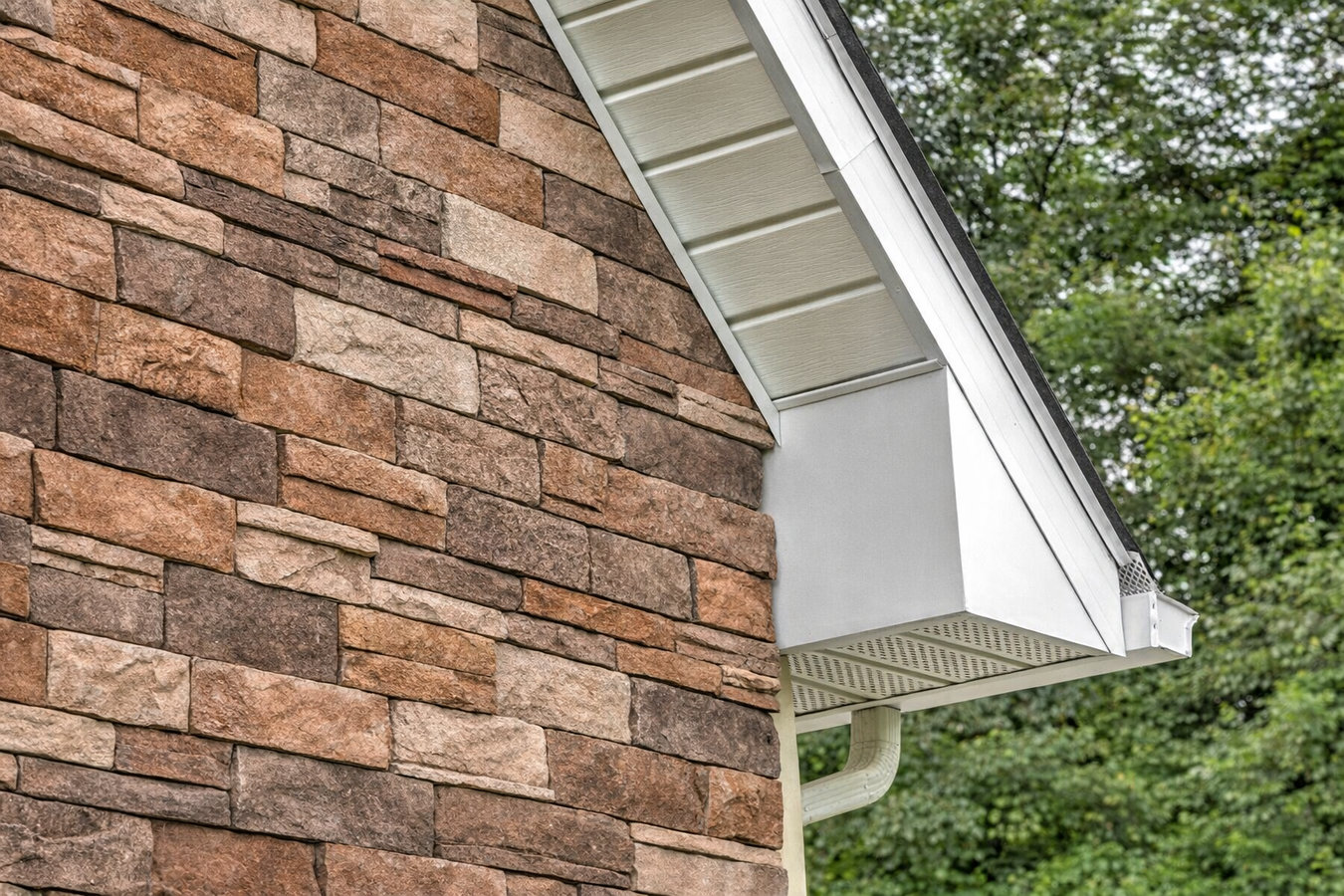
Layton's ranch and split-level homes from the 1970s through the 1990s are popular candidates for a stone veneer accent - it is one of the most cost-effective ways to modernize the curb appeal of a home in this age range. Learn about stone veneer installation and what the process looks like for a home like yours.
Brick veneer is common throughout Layton's established neighborhoods, and the mortar joints in those walls take a beating from Davis County winters. Freeze-thaw cycles crack and crumble mortar over time, and tuckpointing before water gets in is always less expensive than repairing the damage after.
Homes on Layton's east bench and near the Wasatch foothills often have sloped lots that need retaining walls to hold back soil and create usable yard space. Hillside terrain in these areas creates drainage and grading challenges that flat-lot homes simply do not have.
Layton's stucco and brick-veneer exteriors developed in the 1980s and 1990s are now old enough that freeze-thaw cracking is showing up regularly. Catching cracked or loose brick early - before water gets behind the facing - prevents the kind of wall damage that turns a small repair into a large one.
Layton sits on land shaped by ancient Lake Bonneville, and the soil conditions here affect drainage and foundation stability in ways not always obvious at the surface. Homes on sloped lots near the foothills carry additional drainage pressure on their foundations that flat-lot homes in the valley do not.
Layton's winters crack concrete driveways and heave paver installations that were not set up correctly for the freeze-thaw cycle here. A properly installed paver driveway - with the right base depth and joint material for this climate - holds up through Utah winters far better than a basic concrete pour.
Most of Layton's housing stock went up between the 1970s and the early 2000s - which means homes that are 25 to 50 years old and dealing with the standard problems of that age range. Stucco cracks from freeze-thaw cycling. Brick veneer mortar joints need repointing. Concrete driveways and walkways have been through enough winters that the damage is visible. These are not unusual problems - they are exactly what happens to well-built homes in this climate after a few decades. The key is addressing them before water gets behind the facing or into the slab, because once that happens the repair scope grows quickly.
The terrain adds another layer of complexity. Layton is built on a bench - a sloped shelf of land that was once the shoreline of ancient Lake Bonneville - and the eastern parts of the city climb toward the Wasatch foothills. Homes on those slopes deal with drainage, retaining wall pressure, and soil stability conditions that are different from what you find on flat suburban lots. Davis County also gets lake-effect snow from the Great Salt Lake, which can dump heavy, wet snow on parts of the city in bursts - adding extra weight and moisture to roofs, gutters, and exterior masonry that flat-slab homes in drier climates never experience.
Our crew works throughout Layton regularly, and we understand the local conditions that affect masonry work here. We pull permits through the Layton City Building Department when structural work is involved and know what their process looks like, so your project does not stall waiting on paperwork.
We work across all of Layton - from the older ranch neighborhoods near Layton Hills Mall to the newer two-story homes up on the east bench toward the foothills. The flat neighborhoods closer to Hill Air Force Base and the commercial center tend to have standard ranch-style homes with straightforward driveway and brick veneer work. The hillside neighborhoods to the east bring more retaining wall and drainage-related masonry jobs, where getting the slope, base, and drainage right makes the difference between a wall that lasts and one that fails in three winters.
Layton is connected to several neighboring communities we serve regularly. We cover Kaysville to the south, which has a similar mix of established subdivisions and newer hillside homes. We also work frequently in Clearfield to the north, where the housing stock and terrain shift toward flatter ground and a higher share of post-1980s construction.
Call or use the contact form to describe what you are seeing. We get back to you within 1 business day and can usually schedule an on-site visit within a few days - you do not need to know what is wrong before you call, just what you have noticed.
We walk the property and look at the masonry up close - we will look at the slope, the soil, and anything that affects how the job should be done. You get a written estimate with a clear breakdown of the work and cost before anyone picks up a tool.
If the job requires a permit, we apply for it before the crew arrives. Most of the work happens on the exterior, so you can stay in your home. We keep the staging area organized and let you know if anything changes mid-project.
We walk through the completed work with you before we leave. You get written warranty documents explaining what is covered and for how long - keep them with your home records, especially if you plan to sell the property.
We serve all of Layton, UT and surrounding Davis County communities. Written estimate, no obligation, response within 1 business day.
(385) 453-0468Layton is one of Davis County's largest cities, with a population of around 82,000 people, and it has grown steadily over the past two decades. The city sits on a bench between the Wasatch Mountains to the east and the Great Salt Lake to the west - land shaped by ancient Lake Bonneville, which explains the wide, gently sloped terrain that most of the city is built on. The majority of Layton residents own their homes, and most of those homes were built between the 1970s and the early 2000s. That gives the city a consistent character: established single-family neighborhoods with concrete driveways, brick or stucco exteriors, and attached garages. The area around Layton Commons Park and the Layton Hills Mall corridor is the commercial and community center of the city, and most residents use it as a reference point when describing where they live.
The eastern parts of Layton climb toward the Wasatch foothills, where newer construction from the 2000s and 2010s sits on larger, sloped lots with more terrain complexity. Hill Air Force Base sits just south of the city and is one of the largest employers in the state, which means Layton has a mix of long-term residents and newer families. On a clear day, you can see Antelope Island in the Great Salt Lake from parts of the city - a reminder of how close Layton is to the lake that drives the lake-effect snow that makes winters here distinct from other Wasatch Front communities. We serve Layton alongside nearby Kaysville and Clearfield, giving us consistent familiarity with the full range of Davis County housing and terrain conditions.
Build dependable block wall foundations for new construction.
Learn MoreOgden Concrete & Masonry serves all of Layton and responds within 1 business day. Call or send a message to schedule your free written estimate.