
Loading...
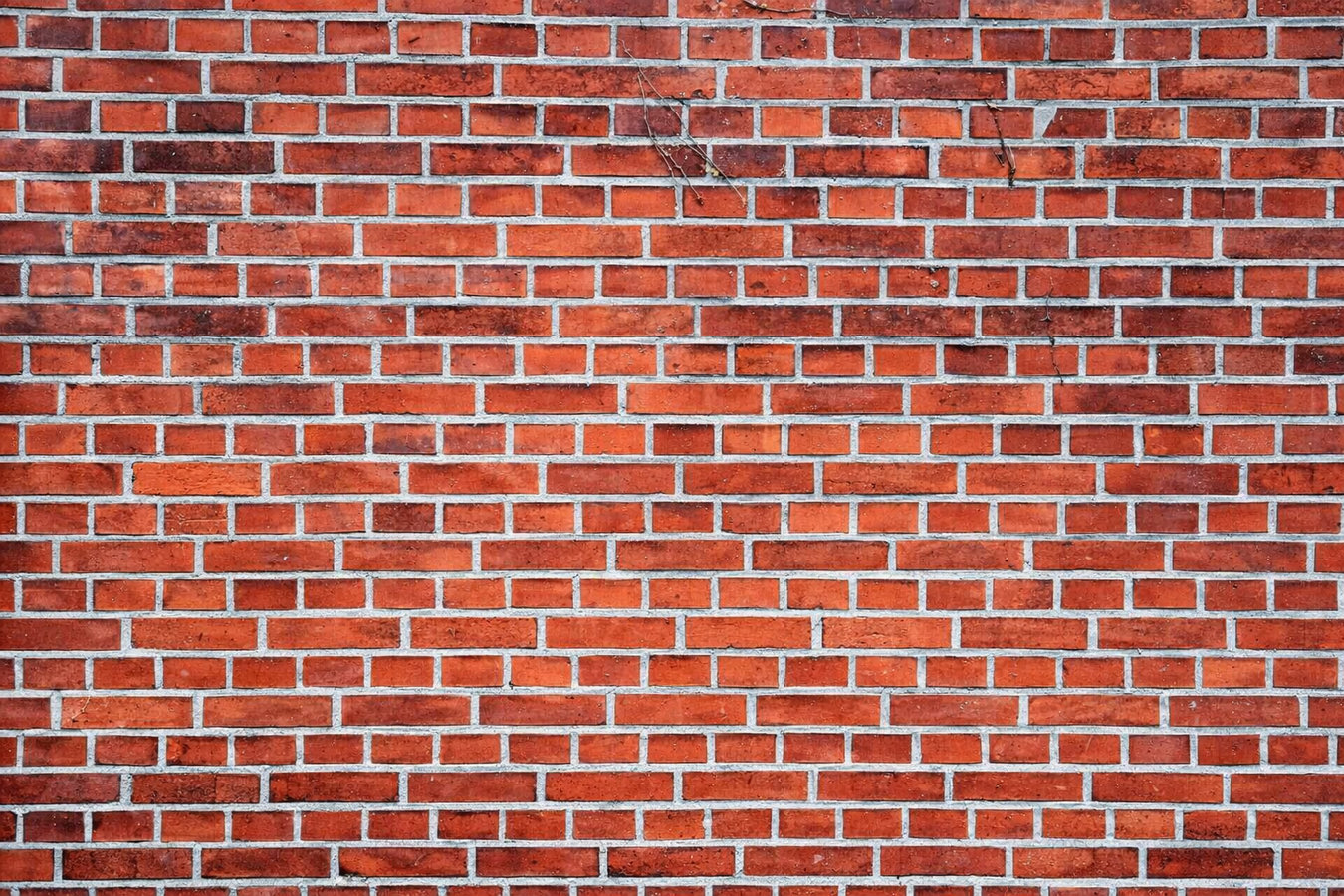
Crumbling mortar joints let Ogden winters do real damage to your brick, season after season - we remove the failing mortar and pack in the right mix so your walls, chimney, and older brick home hold up for decades.
Brick pointing in Ogden means carefully removing damaged mortar from the joints between your bricks and packing in fresh material - keeping the bricks in place while renewing what holds them together and keeps water out. A single wall or chimney typically takes one to three days. It is one of the most cost-effective repairs you can make on a brick home, especially compared to what happens if you wait.
Ogden has a lot of older brick. The homes throughout central Ogden, the neighborhoods near Historic 25th Street, and the east bench corridor were built largely between the 1890s and 1950s - and most of that original mortar has been through hundreds of freeze-thaw cycles. When small cracks open up, each Ogden winter pushes water in, freezes it, and widens the gap a little more. What starts as simple pointing work can turn into replacing sections of brick if you let it go several years. For homeowners whose brick has already moved past joint repair, our foundation repair and structural masonry services address the more significant underlying issues.
The first step is always an in-person look. The condition of the mortar, the age and hardness of your brick, and how accessible the wall is all affect the scope and cost. We walk the job with you before quoting anything.
Stand a few feet back and look at your wall or chimney. If you can see dark gaps where mortar used to be, or if mortar is flaking away, the joints need attention. Run your finger lightly along a joint - if mortar dust or small chunks come off easily, the material has broken down and is no longer doing its job. In Ogden's climate, mortar more than 15 to 20 years old often shows this kind of wear.
That white powdery residue - sometimes called efflorescence - shows up when water moves through the wall and carries minerals to the surface. In Ogden, it often appears in spring after snowmelt or during irrigation season. It is a sign that water is getting in through failing joints. The longer it continues, the more damage builds up inside the wall where you cannot see it.
Ogden's freeze-thaw winters are especially hard on chimneys because they are fully exposed from all sides. After a hard winter, look at your chimney from the ground. If the mortar lines look jagged, recessed, or inconsistent compared to the brick face, cold-weather cycles have been doing damage for a while - and chimneys left unaddressed can develop cracks that let water inside the flue.
If you notice dampness on an interior wall that shares a surface with exterior brick, or water getting in around the fireplace after rain, failing mortar joints are a common cause. Water follows the path of least resistance, and open joints are an easy entry point. This is especially worth checking after Ogden's spring storm season and during snowmelt from the Wasatch.
We handle residential brick pointing across the full range of surfaces - chimney joints, exterior walls, garden walls, and foundation faces. Every job starts with careful removal of the deteriorated mortar to the right depth, then packing in fresh material by hand and tooling each joint to match the original profile. The mortar type we use matters as much as the technique: for Ogden's many pre-1950s brick homes, we match a softer lime-based mix to the original rather than using a harder modern mortar that would put stress on the brick itself. This is something the National Park Service Preservation Briefs on masonry repair address directly - and a requirement most homeowners do not know to ask about until it is too late.
Pointing work often reveals other masonry issues worth addressing at the same time. If loose or cracked bricks are present, our masonry restoration service covers the broader stabilization and repair work. If the underlying structure has moved or settled, our foundation repair work addresses that root cause. Catching everything in one mobilization is cheaper than scheduling multiple separate visits.
Best for homeowners whose chimney mortar has worn down after years of direct rain, freeze-thaw stress, and heat exposure from below.
Best for homeowners with brick home exteriors showing gaps, staining, or damp spots that signal mortar has broken down along the wall face.
Best for homeowners in Ogden's older neighborhoods whose pre-1960s brick requires a lime-compatible mortar mix to avoid damaging the original brick.
Best for homeowners with freestanding or retaining brick walls that have developed joint gaps allowing water infiltration and freeze-thaw damage.
Two things make Ogden unusual for brick repair work: the age of the housing stock and the severity of the winters. Ogden regularly sees hard freezes from November through March at over 4,300 feet elevation, and the Wasatch Front's seismic activity adds long-term stress that most homeowners do not consider - even small tremors that go unfelt can gradually loosen mortar in older unreinforced brick structures over many years. The Brick Industry Association sets technical standards for mortar selection and cold-weather installation that directly address these conditions - a contractor working here should already know and follow them. Mortar that was the right choice in a warmer or more stable climate may fail in a single Ogden winter if it was not specified for freeze-thaw resistance.
Homeowners in central Ogden near the Historic 25th Street corridor are most likely to have pre-1900s or early 1900s brick where the original lime-based mortar is genuinely fragile and must be matched carefully. In Washington Terrace and adjacent neighborhoods, brick homes from the 1940s and 1950s make up a large share of the housing stock, and many are now at the age where mortar joints need a first full repointing. If your home falls in one of Ogden's designated historic districts, we confirm with the city's planning department what materials and methods apply before work begins.
Tell us where the brick is and what you are seeing - plain terms are fine, or send a photo. We respond within one business day and ask a few questions to understand the scope before scheduling a visit.
We walk the wall or chimney with you, point out what we are seeing, and tell you specifically what mortar type we plan to use and why. After the visit you receive a written estimate with no single-number surprises. If your home is in a historic district, we confirm any material requirements before quoting.
Clear furniture and planters from the work area and make sure we have access to a water source. The mason grinds or chisels out old mortar carefully - this takes time and creates some dust, but it is contained to the work zone. New mortar is packed in by hand and tooled to match the original joint profile.
When the work is done we brush and clean the brick face, then walk through the finished job with you. Fresh mortar needs 24 to 48 hours dry before getting wet and up to four weeks for full strength - we give you a clear list of what to avoid and for how long.
Free written estimate. We walk the job with you in person, explain what we find, and give you a price before any work begins.
(385) 453-0468Older Ogden homes were built with softer lime-based mortar, and using a modern hard-set mix on those walls causes bricks to crack rather than joints. We identify what your original mortar was and match the new mix to it - so the repair works with your wall instead of putting stress on it. This is especially important for the many pre-1950s brick homes throughout central Ogden.
Parts of Ogden - including areas near 25th Street and the Jefferson/Monroe neighborhood - fall under historic preservation guidelines that affect what repair materials and methods are acceptable. We are familiar with these requirements and confirm with the city planning department before work begins, so you are not caught off guard after the job is finished.
We walk the job with you in person, explain exactly what we see, and tell you specifically what mortar type we plan to use and why. You get a written estimate before any work begins, and we do not change that number without talking to you first. One of the most common complaints homeowners have about contractors is getting a vague quote and a surprising bill - we do not operate that way.
Pointing work sometimes turns up loose bricks, cracked lintels, or structural movement that needs more than joint refilling. Because we handle the full range of masonry repair - including foundation work and masonry restoration - you get an honest second opinion from someone who can do all of it, not just the limited job they were hired for.
Brick pointing sounds like a small job - and often it is. But the details that separate a repair that lasts from one that fails in three winters are things most homeowners cannot see until they know what to look for. That knowledge, applied consistently, is what we bring to every job in Ogden.
When pointing reveals movement or cracking that goes deeper than the joints, foundation repair addresses the structural cause before it compounds.
Learn MoreFor brick that has moved beyond joint repair - loose courses, cracked faces, or sections that need rebuilding - masonry restoration covers the broader stabilization work.
Learn MoreSpring and summer slots fill quickly - reach out now so you are not heading into another Ogden winter with open mortar joints.